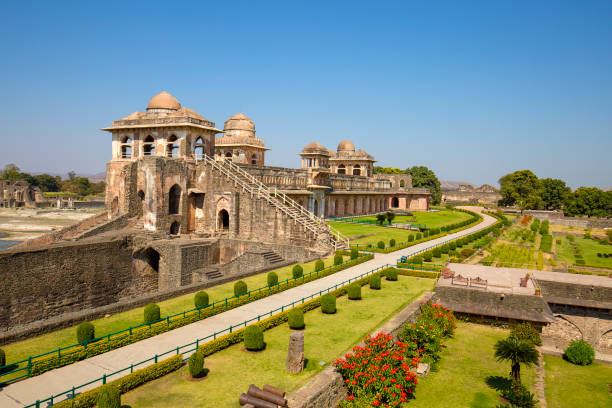



In Hinduism, Lord Shiva is worshipped as the Supreme God of destruction and transformation. Among the countless Shiva temples, 12 Jyotirlingas hold the highest spiritual significance. The word Jyotirlinga means “lingam of light,” representing the infinite nature of Lord Shiva.
It is believed that visiting all the 12 Jyotirling shrines in India grants moksha (liberation) and blessings from Lord Shiva. Spread across India, each Jyotirlinga has a unique legend, historical importance, and architectural beauty.
This 12 Jyotirling travel guide will take you through the sacred journey of all 12 shrines.
Located in Prabhas Patan, Somnath is considered the first Jyotirlinga. Known for its grand architecture and spiritual aura, Somnath has been rebuilt multiple times after invasions. The temple stands near the Arabian Sea, making it a must-visit pilgrimage site.
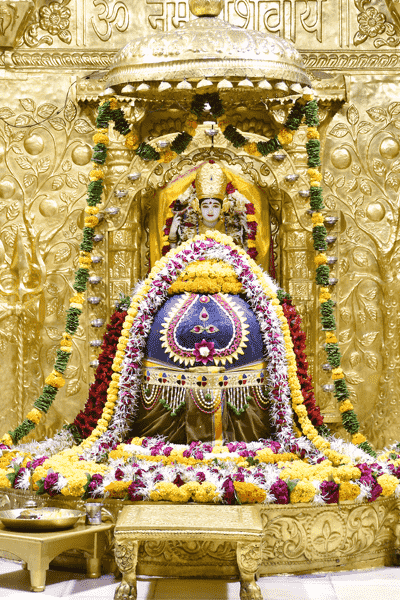
2. Mallikarjuna Jyotirlinga – Andhra Pradesh
Situated on the banks of River Krishna in Srisailam, this temple is also one of the Shakti Peethas. The architecture reflects Dravidian style, and the temple is surrounded by lush hills.
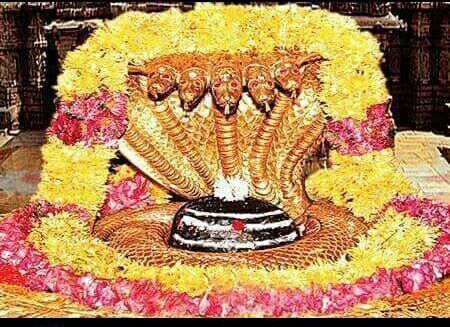
3. Mahakaleshwar Jyotirlinga – Madhya Pradesh
Located in Ujjain, Mahakaleshwar is unique because it is the only Jyotirlinga facing south. The daily Bhasma Aarti performed with sacred ash is a divine experience.
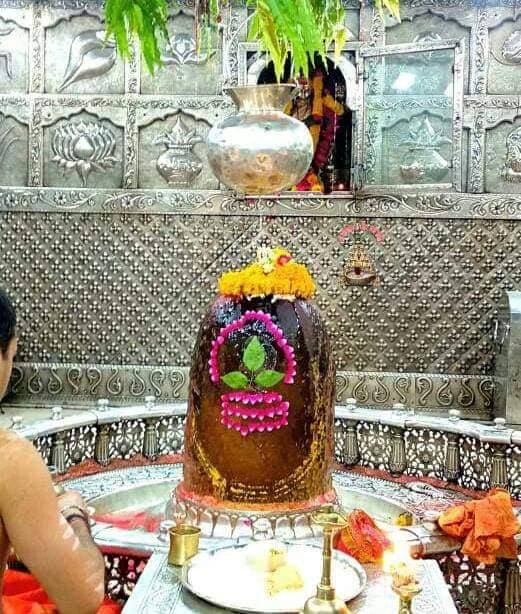
4. Omkareshwar Jyotirlinga – Madhya Pradesh
Situated on an island shaped like the holy symbol “Om,” this temple is located on the Narmada River. Pilgrims believe a visit here grants spiritual peace.
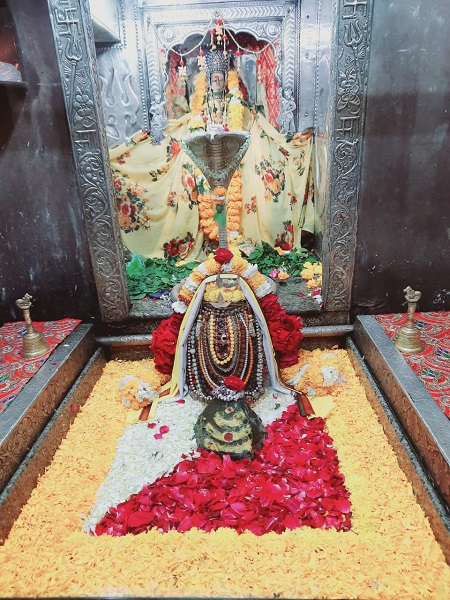
5. Kedarnath Jyotirlinga – Uttarakhand
Nestled in the Himalayas at 11,755 ft, Kedarnath is one of the most difficult Jyotirlingas to reach. It is also part of the Char Dham Yatra. The snow-covered mountains add to the spiritual aura.
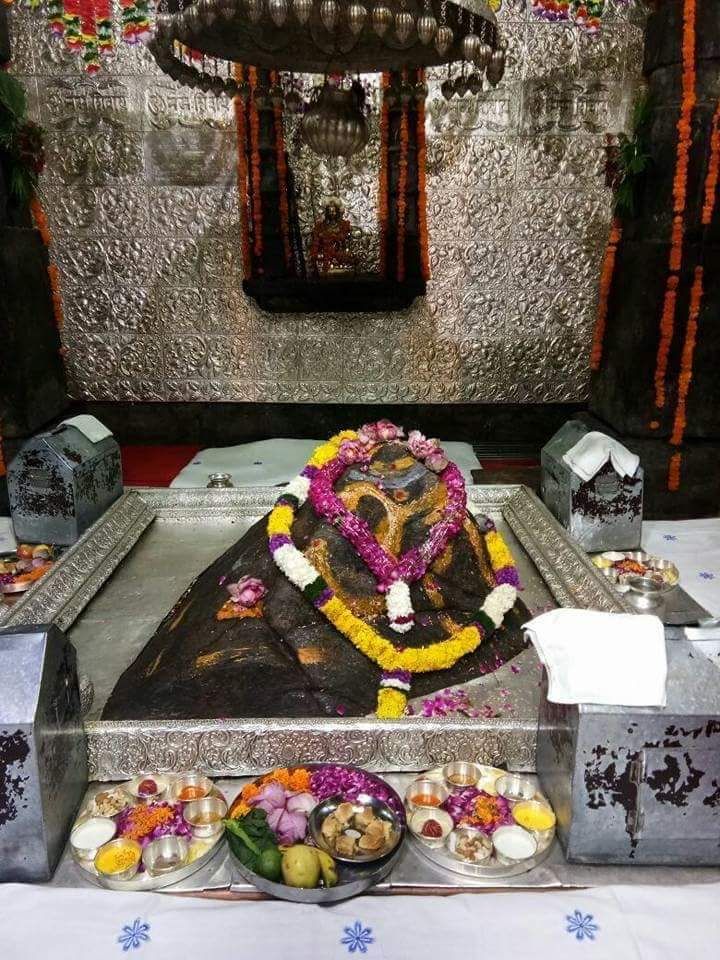
6. Bhimashankar Jyotirlinga – Maharashtra
Located in the Sahyadri hills near Pune, this temple is surrounded by dense forests and wildlife. It is also a popular trekking destination.
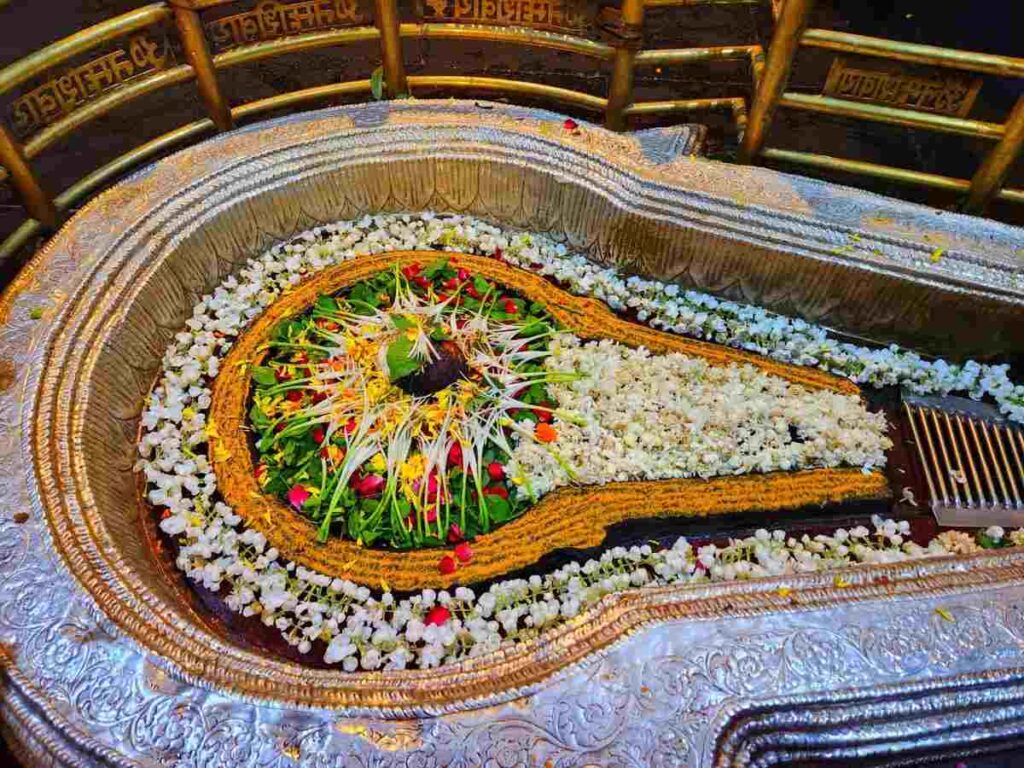
7. Kashi Vishwanath Jyotirlinga – Uttar Pradesh
Situated in Varanasi, this is one of the most famous Jyotirlingas. Devotees believe that visiting Kashi Vishwanath leads to liberation from the cycle of birth and death.
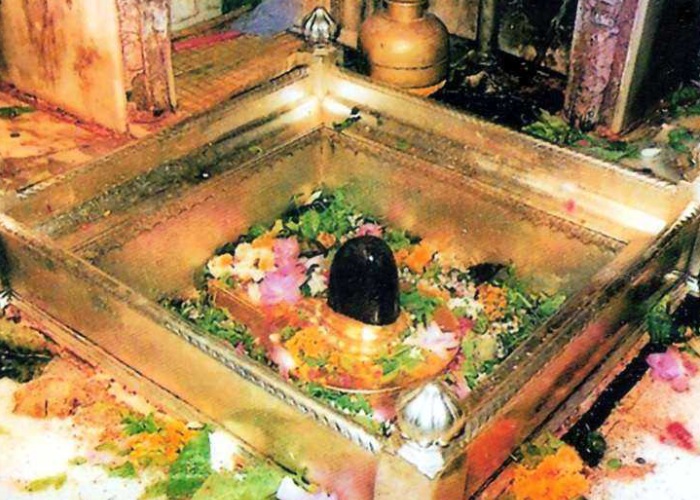
8. Trimbakeshwar Jyotirlinga – Maharashtra
Located near Nashik, this temple is the origin of the holy Godavari River. The lingam here has three faces symbolizing Brahma, Vishnu, and Shiva.
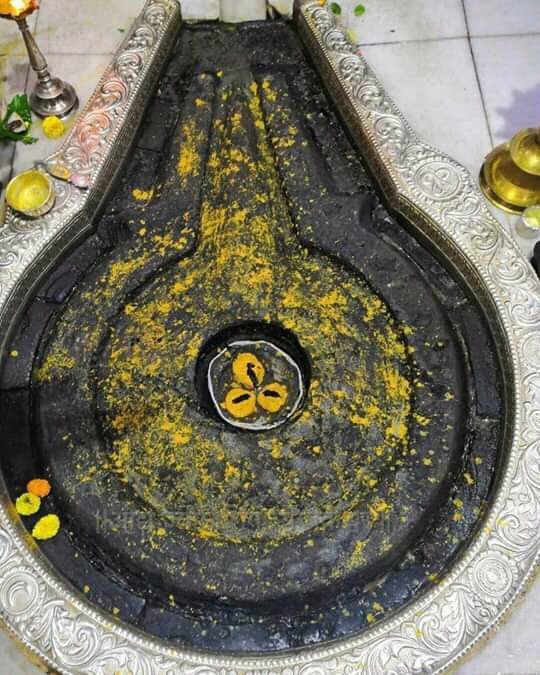
9. Vaidyanath Jyotirlinga – Jharkhand
Also known as Baidyanath Dham, this temple in Deoghar is believed to heal devotees of diseases. During Shravan month, millions of pilgrims carry holy water from the Ganga to offer here.

10. Nageshwar Jyotirlinga – Gujarat
Located near Dwarka, Nageshwar is believed to protect devotees from poison and negative energies. The massive Shiva statue here is an added attraction.
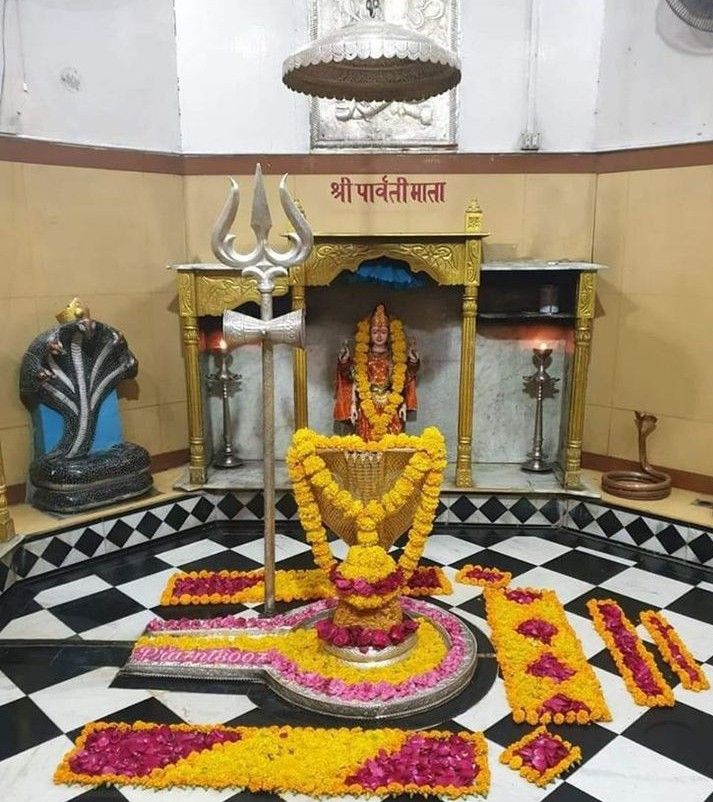
11. Rameshwaram Jyotirlinga – Tamil Nadu
Situated on Rameswaram Island, this temple is linked to Lord Rama, who worshipped Shiva here before crossing to Lanka. The temple is famous for its long corridors and sacred water tanks.
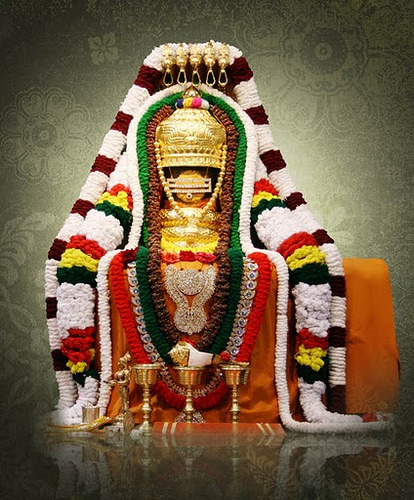
12. Grishneshwar Jyotirlinga – Maharashtra
Located near Ellora Caves, this is the smallest Jyotirlinga temple. Built in red volcanic rock, it showcases beautiful carvings and is easily accessible.
Importance of Visiting 12 Jyotirlingas
Pilgrimage to all Jyotirlingas is considered equivalent to attaining moksha.
Each shrine symbolizes Lord Shiva’s infinite energy.
The temples represent the unity of India’s culture, from north to south and east to west.
Rituals performed at Jyotirlingas are believed to remove sins and grant prosperity.
Suggested Travel Itinerary for 12 Jyotirling Yatra
Since the Jyotirlingas are spread across India, devotees often plan their journey in phases.
North India: Kedarnath, Kashi Vishwanath.
West India: Somnath, Nageshwar, Bhimashankar, Trimbakeshwar, Grishneshwar.
East India: Vaidyanath.
South India: Mallikarjuna, Rameshwaram, Omkareshwar, Mahakaleshwar.
Many tour operators offer Jyotirlinga Yatra packages, covering all temples in 20–25 days.
Festivals & Rituals at Jyotirlingas
Mahashivratri: The most important festival celebrated at all Jyotirlingas.
Shravan Month: Special poojas and abhishek are performed.
Daily Rituals: Rudrabhishek, Bhasma Aarti (Ujjain), and Ganga Aarti (Varanasi).
Travel Tips for 12 Jyotirling Yatra
1. Carry valid ID proofs and temple guidelines must be respected.
4. Plan Kedarnath and other Himalayan temples only in open seasons (May–October).
5. Book accommodation in advance during Mahashivratri and Shravan month.
Conclusion
The 12 Jyotirlingas of Lord Shiva are not just temples—they are living symbols of India’s rich spirituality, culture, and devotion. From the Himalayan peaks of Kedarnath to the coastal shores of Rameshwaram, each shrine has its own legend and divine power.
Undertaking a pilgrimage to all 12 Jyotirlingas is considered one of the most sacred journeys in Hinduism, offering not just blessings but also a deep connection with the divine energy of Lord Shiva.
If you are a spiritual traveler, this 12 Jyotirling Travel Guide will inspire and guide you through one of the holiest pilgrimages in the world.