Dome Argus and Dome Fuji- East Antartica well ! You are not allowed to visit
BY Team IV
December 12, 2025
0
Comments
38 Views
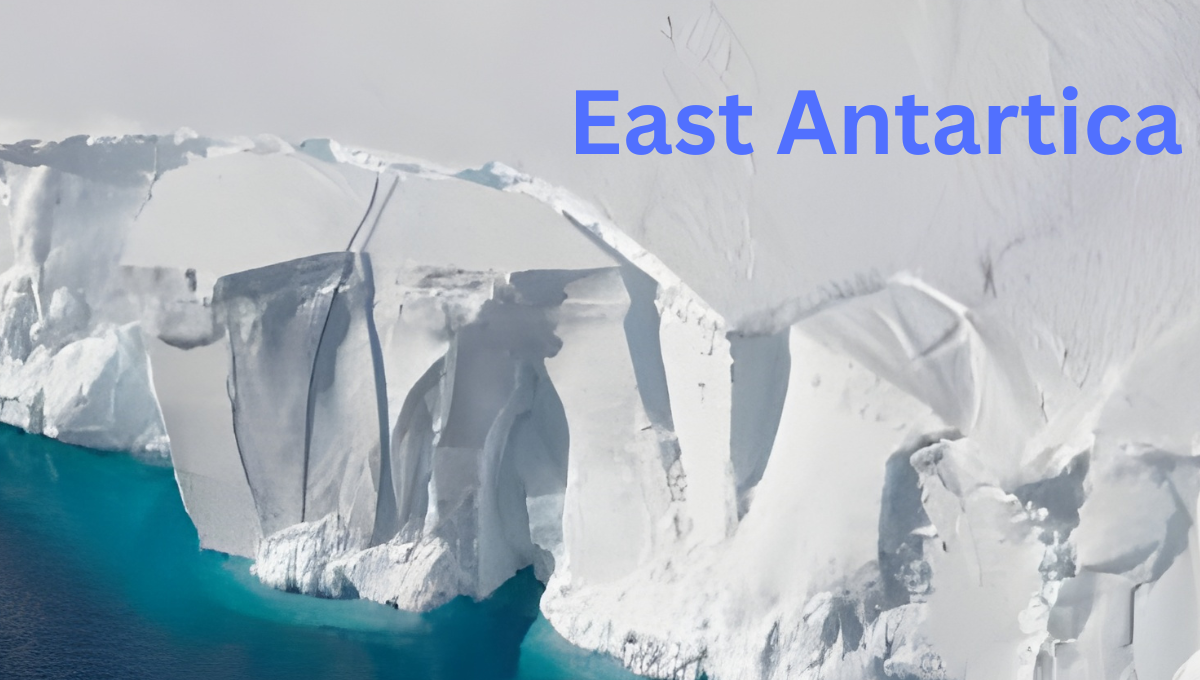
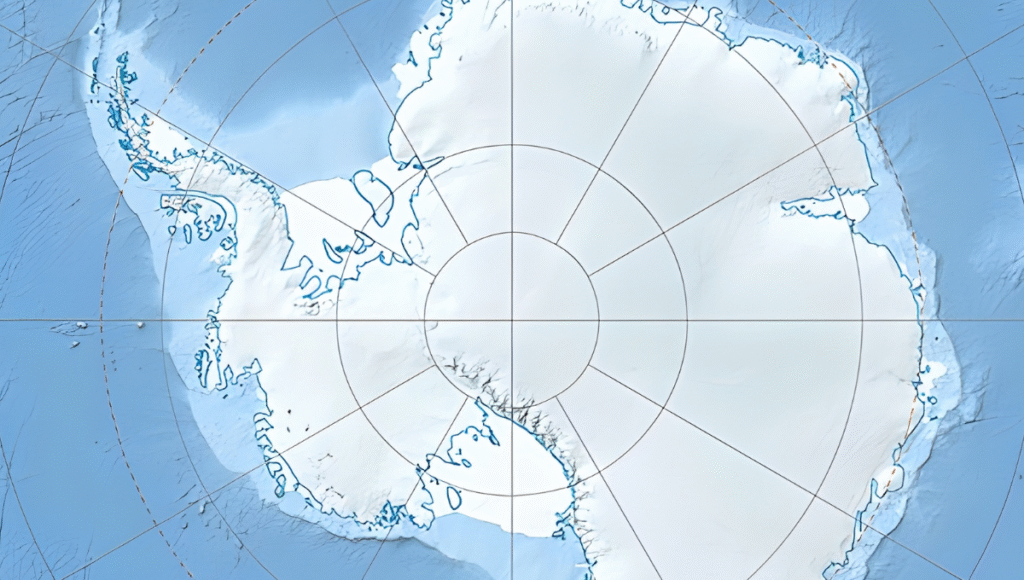
East Antartica is a A space on Earth filled with 98% of ice and a continent with 90% of the world’s ice and about 70% of the world’s fresh water. If this ice were to melt, sea levels would rise by up to 200 ft. The Earth’s coldest natural temperature is in East Antarctica.-94 degrees Celsius! That’s -135 F, like really, it can drop down that much. Knowing that number itself, you can feel the cold and chills.
These are extremely cold and occur in depressions where thick, wintry air gets trapped. It forms the planet’s coldest natural spot. There are a few research sites here, and only scientists go here for study purposes. Dome Argus is the highest point on that plateau, and Dome Fuji hosts some research by the Japanese. These make them key for understanding the Earth’s climate history and processes.
The high elevation affects snow dynamics. This place has great astronomical potential due to its extremely cold, dry conditions, making it ideal for an infrared telescope. They are in the interior of East Antarctica. It’s a natural laboratory to study glaciology and climate science. It helps to detect Earth’s climatic past and present.
To obtain climate records scientists use it for ice-core drilling. They study the accumulation and sublimation of snow. It also observes astronomical observations due to clear, cold air
Eastern Antartica the coldest place on earth ! Zero Inhabitation
The two highest ice domes in Antartica Plateau are Dome Fuji and Dome Argus.
They are naturally cold and are only used for research purposes. Dom Argus was first identified by the US Geologists. The US Navy aerial photos were taken in 1959-1960. It was further described by the Scott Polar Research Institute in the UK. Dome Argus is supercold for anyone who could stay longer and survive the cold. There are no large animals, and in such extreme conditions, only microscopic invertebrates exist. There are no animals here.
Well, we can’t even expect plants to grow here, as the weather is an extremely inhospitable and uninhabitable environment on Earth. It’s supremely dry as it receives 1-3cm of snow per year. There is a perpetual ice cover 2,400 m thick.
The only plant life is found in much milder coastal areas of Antartica Peninsula and nearby islands. The climate is a little warm and wet, too. The only species of native flowering plants that exist there are Antarctic hair grass and Antarctic pearlwort.
During polar nights, it has continuous darkness. There is a lack of sunlight in winters. There is a greater diversity of mosses, liverworts, algae, and lichens is found in ice-free areas. Often in small ground-hugging forms, it can survive long periods of dormancy. Only the hardest forms of bacterial life or possibly microscopic organisms with rock pores can survive here.
The discovery and exploration of Antarctica was shaped by the continent’s remoteness and its extraordinarily inhospitable environment. All these factors don’t allow humans to visit this place. In the early years, though in the southern oceans, whaling and sealing used to take place. Antarctica has been blurred in mapping services as it is in low resolution, as it is too bright out there. Image building is quite difficult here. The Military and defense facilities are also quite blurred.
Well its not that you can’t go here, but it’s extremely difficult and expensive. It’s heavily regulated and permits which aint possible that easily. Its harsh conditions
Cold, windy, and most remote it is. Brutal winters and darkness with isolating oceans. Survival without proper gear and expertise is nearly impossible. An independent is extremely dangerous. The Antarctic Treaty system mandates peaceful use of this space. It’s used especially for scientific research and environmental protection. It has strict protocols to follow for scientists, too.
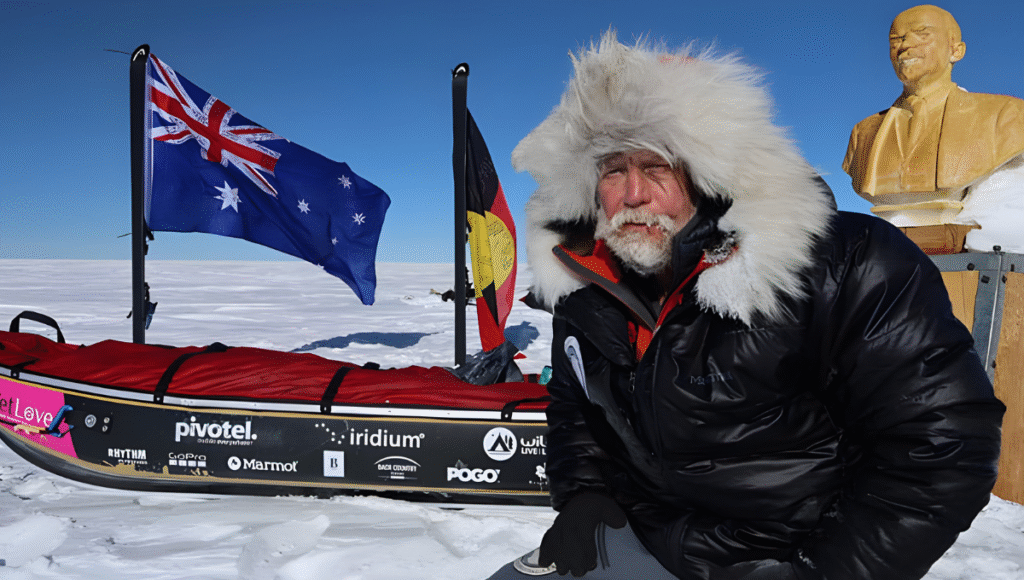
Dr Geoff Wilson is the first person to summit the Dome Argus( Dome A). He went solo and unsupported, which was the longest polar journey. Wilson’s historic expedition defined human presence at the summit even though he faced extreme conditions and isolation. He is a well-known Australian polar explorer, adventurer, and motivational speaker.