It’s a sacred hill with Hinduism and Jainism. Mount Abu was devised by Lord Rama himself to save his brother Lakshmana from the wrath of Ravana. There are some great places you can explore in and around the hills.
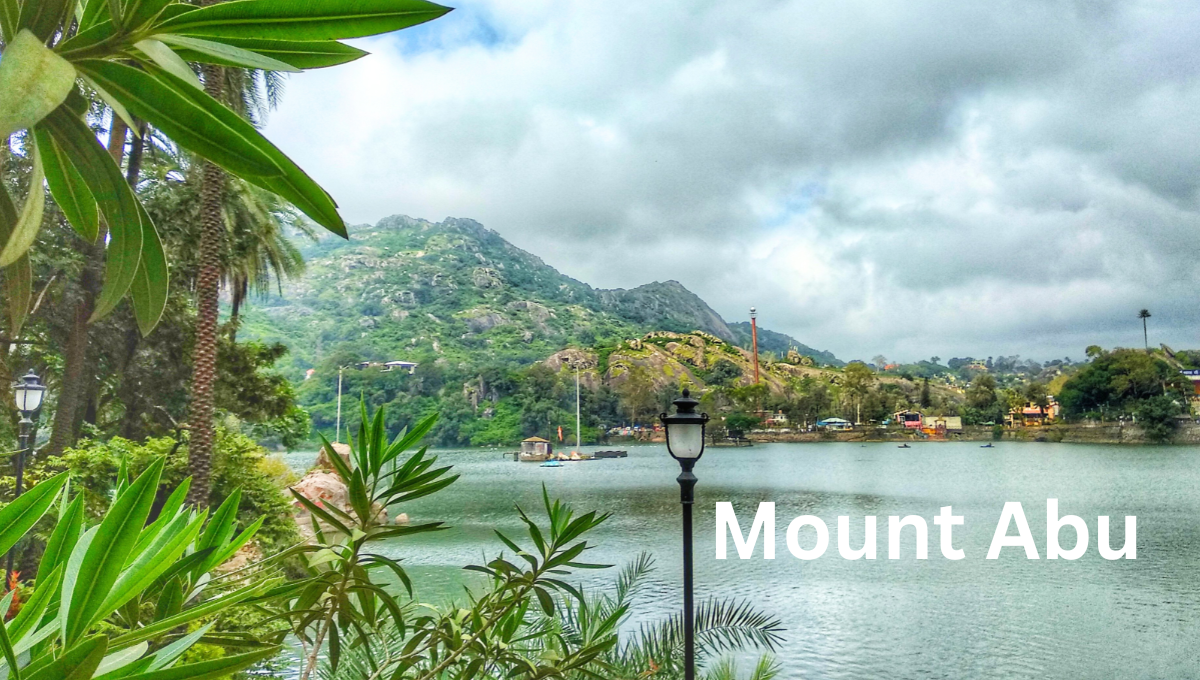
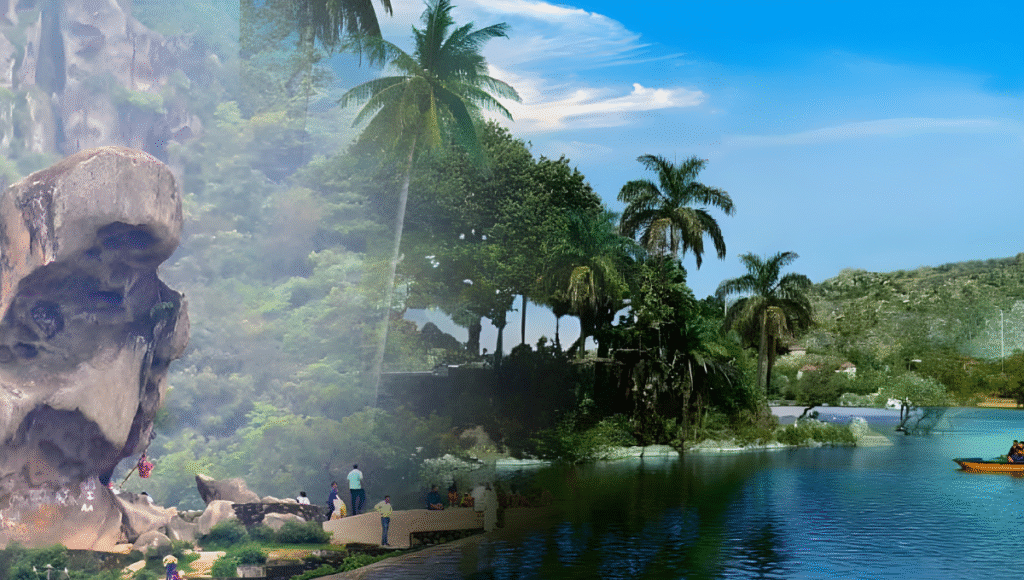
Lake is a foremost human-made lake. Take a stroll around the lake or market, or just chill at the bench with some hot corn. The lake has some scenic beauty, surrounded by rock formations and greenery. It’s the heart of Mount Abu and a favourite pick for tourists. It is also in the main market where you can shop, walk, boat and relax. Mahatma Gandhi’s ashes were immersed here, hence it’s a very sacred lake to the Local Garasia tribe. You can take a darshan at the Gandhi Ghat.
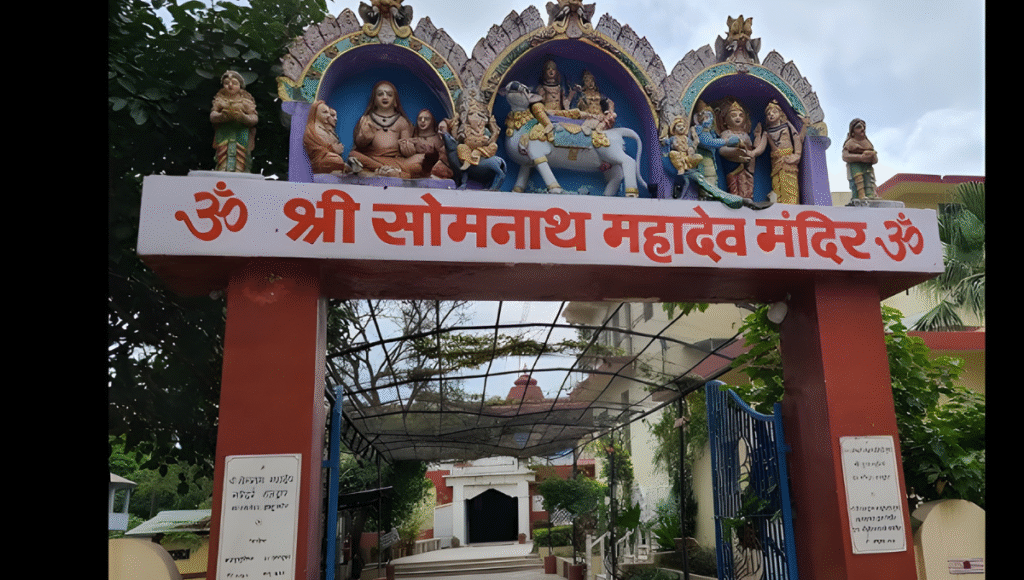
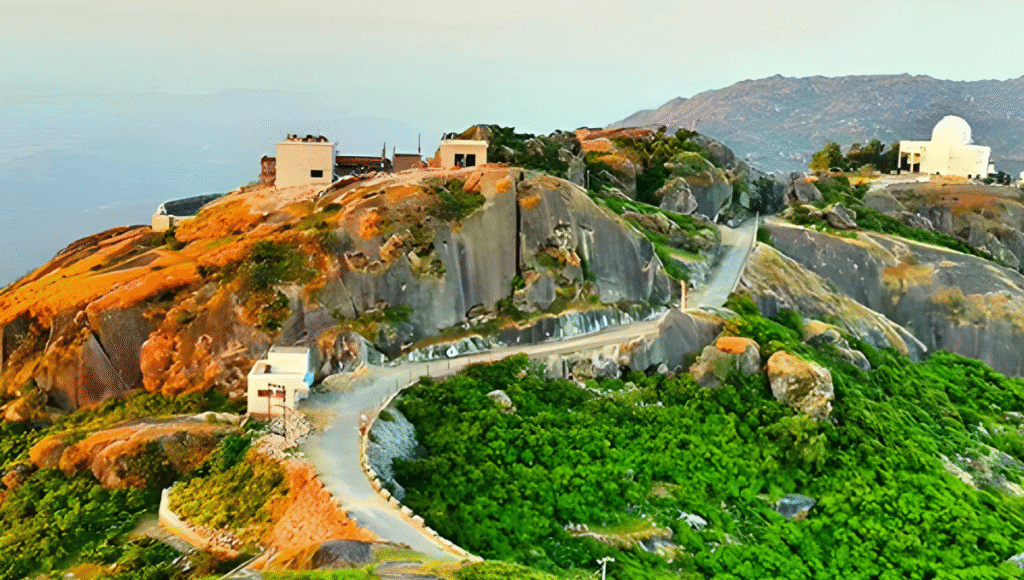
The Achleshwar Mahadev Temple is resolute to Lord Shiva as it is built around the toe print of Lord Shiva. It is near Achalgarh fort. You can climb up to the highest point in the Aravali mountain range, which offers an amazing view of Guru Shikhar. It’s at a height of 1772 meters above sea level. Guru Dattatreya temple, which is an incarnation of Lord Hindu, Lord Brahma and Lord Shiva, is situated at the peak along with Chamundi temple, Shiva temple and Mira Temple.
You can also visit the Honeymoon point, sunset view points across the hills and Champa Caves.
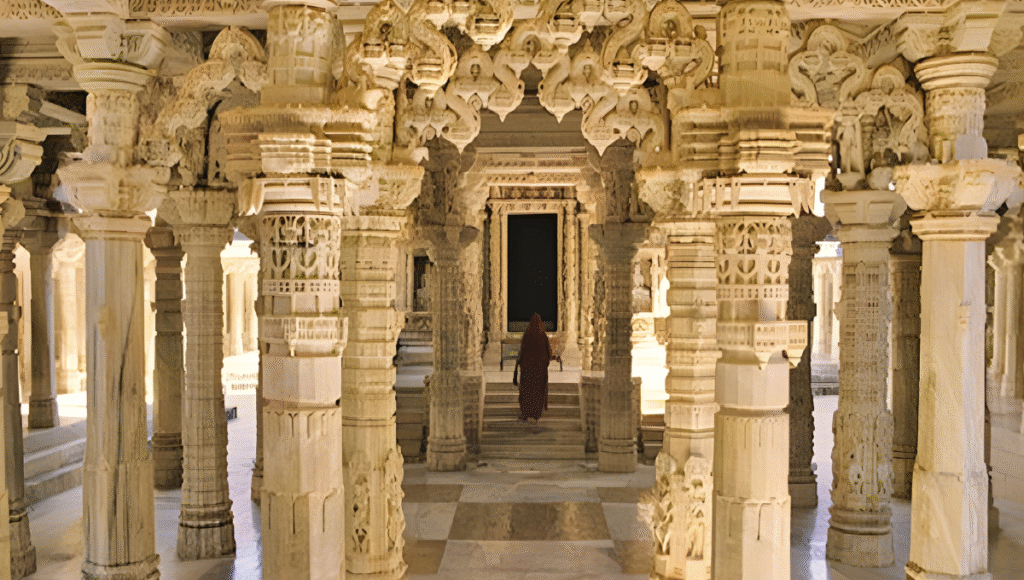
Intricately and beautifully carved in the 11th-13th century in marble is the famous Dilwara Jain temple. Mount Abu also has some secret spaces where you can enjoy the calmness of the hills, and they are the Dhrudhiya waterfalls, Peace peak, Trevor’s tank, Sant Sarovar Ashram and the lake. The scenic hill top view at the Toad rock, Jawai, Gaumukh temple, Raghunath temple, etc. The best time to roam around Mount Abu is by taking a stroll in daytime and avoiding late evenings, or else you might bump into a bear.
There are some great rock climbing opportunities, as the Mt Abu ranges have diverse and natural rock formations. The best time for rock climbing is in summer and winter. Several avid rock climbers, be they professionals or beginners, or clubs, come here to practise their skills in these natural settings.
You can enjoy shopping at the local bazaar for traditional handicrafts made by Rajasthani artists. You might find some lovely bangles, lehengas, and marble work. Sandalwood and sandstone are a great pick, too.
You can enjoy some delicious Rajasthani meals, including dal baati, Gatte ki sabji, Ker sangri and other desi mithais like Ghevar and Malpua. Not to forget the Pyaz ki kachori there. You can also pick some yummy ice-creams, no matter what the weather, along with some fast food items for your loved ones. Avoid March to June as it gets hot, but monsoons and winters are the best times to come here.
https://traveljuntion.com/