
Table of Contents
ToggleStargazing - Where and How !
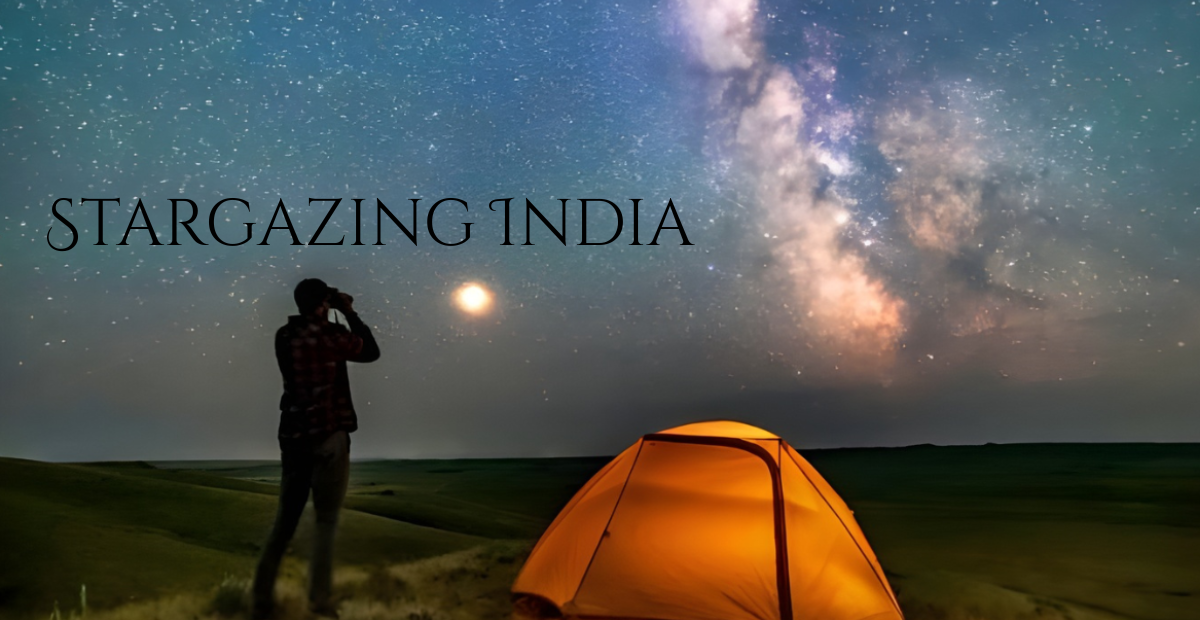
Stargazing is a scientific endeavor for the regular naked eye. We are all fascinated by the sky, the planets, and stars, and we all did study about it in our textbooks. In the early years, all we used to do was go to our grandparents in the village, sit, and observe the sky and enjoy the beauty that twinkled in the night. We read about these wonders in books and saw some of them on TV.
Well, as our scientists progressed weve even reached today to other planets and in space. But sadly, today, when you look up in the sky, you will hardly see stars due to the excess smog and global warming. We would have to go to some mountains up and a village where there is zero pollution to see the beauty and constellations.
Well Stargazing has fascinated a lot of people. Some are amateurs while some are professionals in observing the night sky. It also brings one to a surprise when you get to see the stars and planets very closely. Several astronomical patterns you will come across.
Winters and summers are ideal for stargazing as it has clear, longer, and drier nights. You can observe during or just before the new moon. You can go to any desert, rural village areas, or mountains to get some good sightings. You can also tag along with some professional stargazers or groups who organise such events. You will get to see some planets that tend to shine with steady lights, and stars that twinkle along. Also recognise some patterns like the Big Dipper, constellations, and Asterisms. Also, look for some meteor showers, satellites, and the Milky Way
Stargazing -Take a trip to the skies !
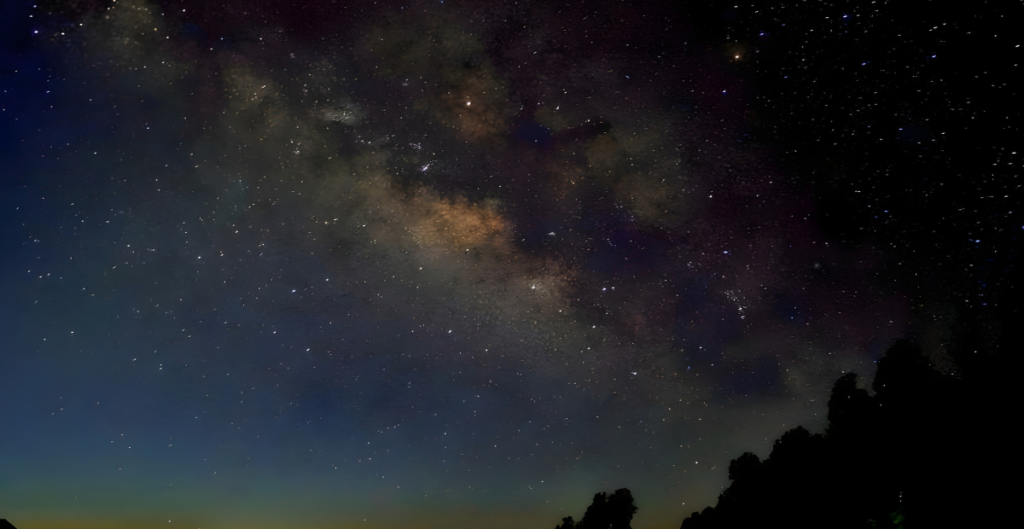
Make a wish on shooting stars because you will see them all over the night.You will get a closer chance to admire the beauty of the stars, understand the celestial phenomena, and even attempt to decipher the mysteries of the universe.
Stargazing Indian spots one must go to !
Stargazing, especially in India, has some great spots to go to. Well, the metro cities are full of smog, so don’t expect any telescope-friendly stars except the moon. Well winters is a prime time to go watch some stars. Let us take you to some high-altitude regions.
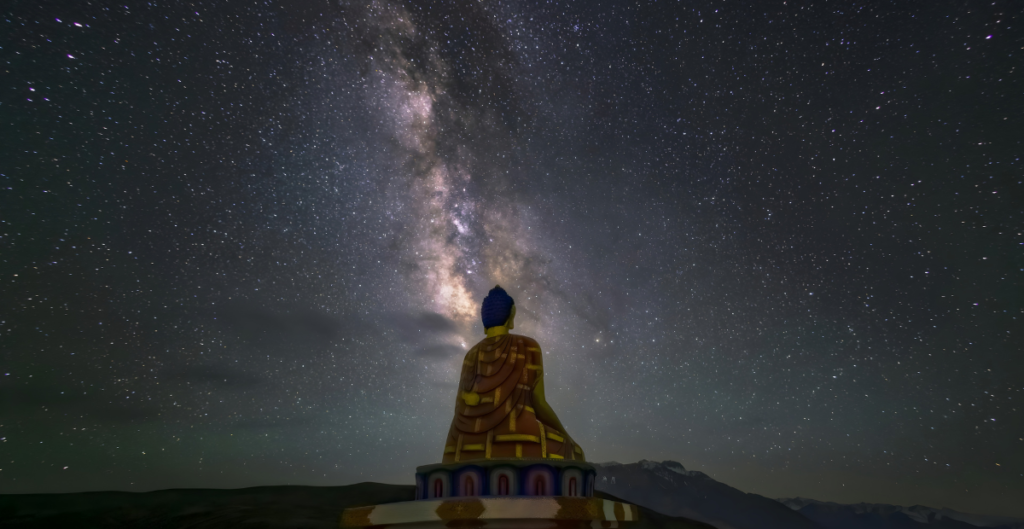
The best place in India to go to is the Spiti Valley. It’s India’s best-kept secret of stargazing. (10,000 to 15,000 feet). At that altitude, this desert falls between Tibet and Himachal. It remains largely untouched. You will have to visit villages like Langza. This village is 14,500 ft and is a premier destination. It allows the naked eye to see the Milky Way in no moonlight. It has a breathtaking view with the famous Langza Buddha statue, with the stars. You will have to check the months to visit for good sightings. (May, Sept, Dec, Jan).
Kibber is another village at a high-altitude in the Spiti Valley. The best part is that you will come across a snow-capped landscape with stars to go with. It shall leave you with a wow experience. Komik is a beautiful site too, due to its thin and clear air its optimum for viewing the Milky Way. Many astrophotographers travel all the way up to get their clicks for this breathtaking and surreal celestial experience.
An absolute delight is the Dhankar monastery, which is a premier and tranquil spot for stargazing in Spiti Valley. It has unobstructed views of the Milky Way along with a rugged, high-altitude backdrop. Once the lights are off in the village, you shall have a clear view.
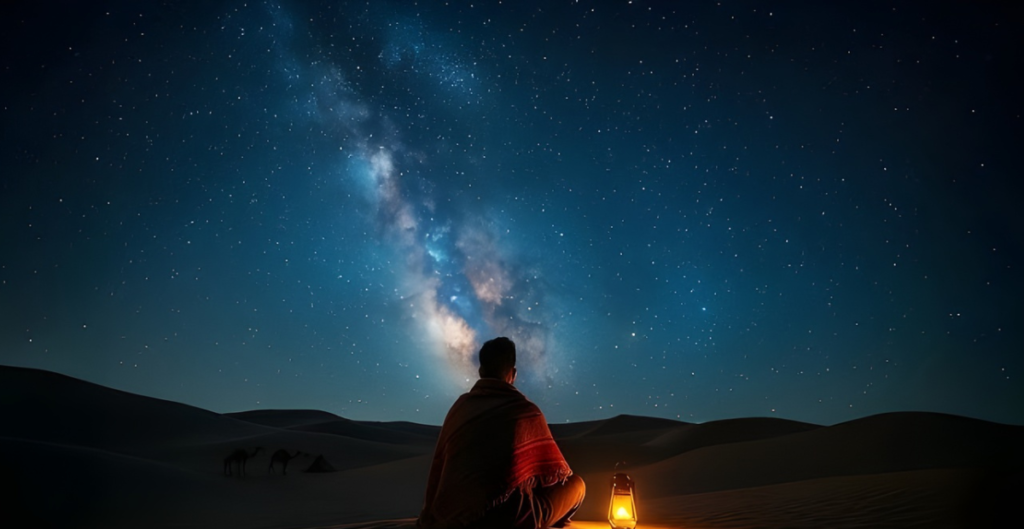
Stargazing- Sky lovers ! Hidden spots
The Hanle Dark Sky Reserve is yet another spot one can’t miss. You will find this reserve in Ladakh. It was established in December 2022 in the east of Ladakh. It’s India’s first. It’s about 1,074 sq km in the Changthang wildlife sanctuary. It’s located around the Indian Astronomical Observatory at 4,500 meters. It has an extremely dark sky, ideal for astronomy and tourism. There are star party events that promote local astro-tourism. There are trained guides who take you through the skies. It’s in Hanle village.
While you can also visit Uttarakhand, especially the place called Munsiyari, it offers panoramic views of the Milky Way over the Panchachuli peaks. It again has dark sky stary nights. It is situated in the Kumaon region and is ideal for high-altitude vantage points for astrophotography and clear night sky observations.
Jupiter, Venus, and Saturn are most visible from the clear high altitude skies of Auli in the Himalayan ranges has cold winter clear sky nights. You camp with bonfires and lie down watching the sky. With a hot cup of chocolate, Maggie is all that you will need, and that too amongst the Nanda Devi mountains. Also, nearby spots like Gurson Bugyal have great views too.
Kedarkantha is a famous trek and has a good opportunity for stargazing, especially at the Juda Ka talab. You can also go for some astrophotography at the Pin Valley National Park. Well, if you love going to the deserts in winter, then you should definitely think of going to the dunes of Jaisalmer in Rajasthan. With some yummy dal baati churma in ghee, you can catch some shooting stars along with folk music and dance.
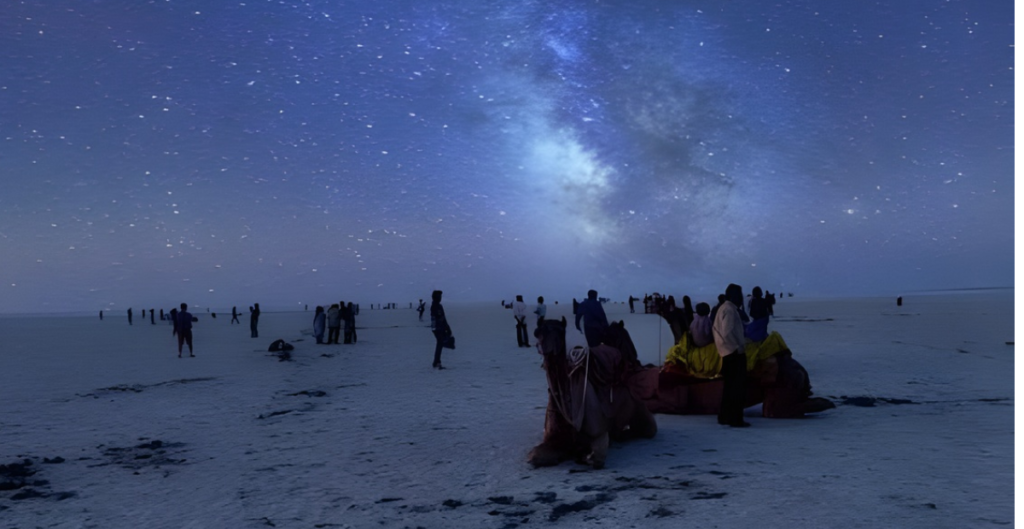
Well, have you heard of the white desert, most famously known as the Rann of Kutch in Gujarat? Yes, you will again find the beauty in this white beauty under your feet and sky full os stars above your head. Stargazing is exceptional here in the dark sky. You will have a 360-degree horizon. This is particularly around the White Rann, dholavira and Tent City areas. The celestial viewing is best from November to February.
Tropical escapes like the Andaman (Havelock) and Nicobar islands have incredible opportunities for dark sky tourism and stargazing experiences. As it is in a remote location with minimal light pollution. Neil Island, Havelock island and Radhanagar Beach give a tranquil experience. Its fairytale charm can be experienced on the island and at the beachside.
Also, the Western Ghats in Coorg, Karnataka is ideal for witnessing the Milk way. If you’re not able to go to any of these places, then not to worry, just drop by the closest mountain area or rural villages im sure you will find more stars thanin your cities.